
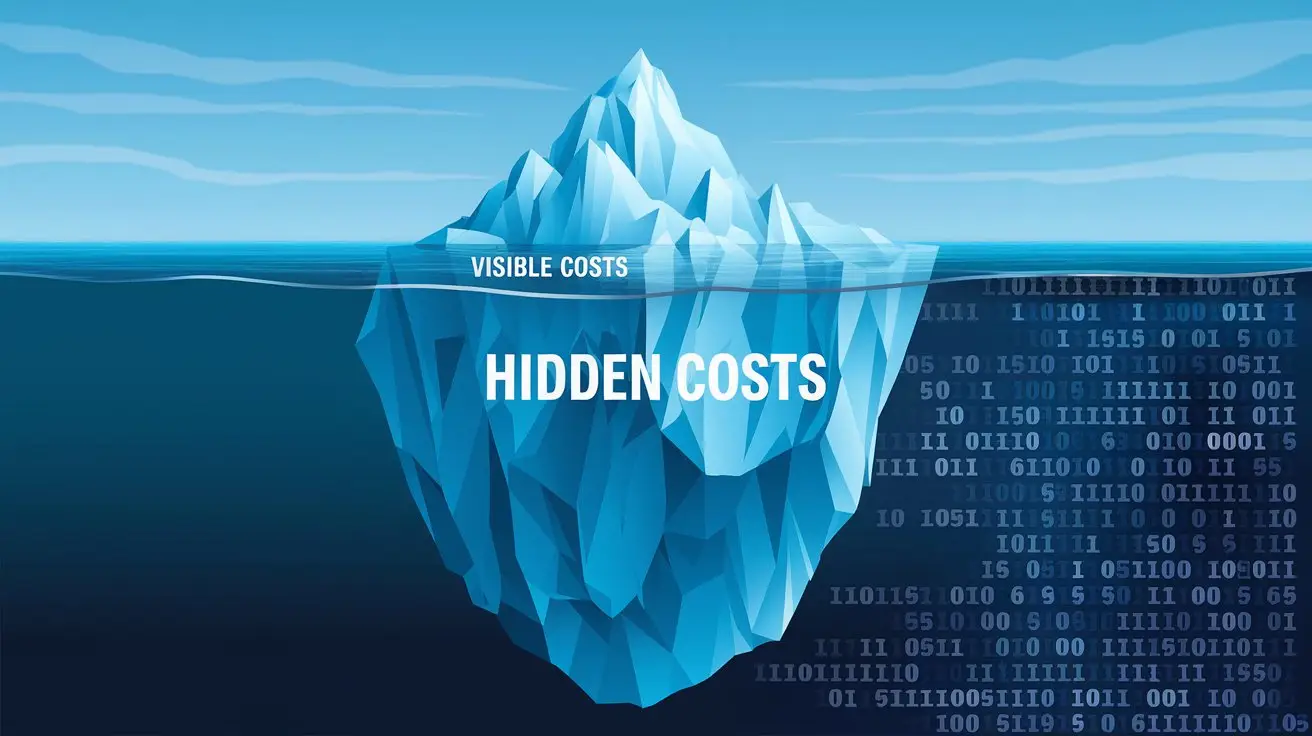
A manufacturing firm in the Midlands relies on an ERP system installed when Tony Blair was still in office. The software works, or at least it limps along. The real issue is not the software itself. It is the people expected to keep it alive.
Most of the current IT team were not even born when the first version of this system went live. To them, the architecture is not a tool. It is ancient history. This gap between legacy technology and modern human capital creates a silent drain on resources that most balance sheets fail to capture.
We see this pattern repeatedly across the UK. Businesses hold onto old systems because they fear the cost of change. They fail to see the far more expensive cost of standing still. The true price of an ageing ERP is not the annual licence fee. It is the disappearance of institutional knowledge and the impossibility of finding new talent willing to maintain it.
The Vanishing Knowledge Crisis
When your ERP is older than your IT staff, you lose the ability to solve complex problems quickly. The original developers have long since moved on. The documentation from 1999 is likely missing or written in a technical dialect no one speaks anymore.
When a critical failure occurs, your team cannot rely on a quick search of Stack Overflow or a community forum. They are on their own. This leads to massive downtime. In the world of high volume logistics or 24 hour production, one day of downtime can wipe out the projected savings of running an old system for an entire year.
The War for Talent is Being Lost
Try hiring a brilliant young developer or systems architect today. Offer them the chance to spend their days maintaining a legacy on premise system built on obsolete code. They will decline. Top technical talent wants to work with cloud native solutions, modern APIs, and scalable infrastructure.
Forcing skilled staff to manage outdated technology leads to high turnover. The best people leave for competitors who offer modern environments. You are left with a team that lacks the depth to innovate because they are too busy acting as digital archaeologists, digging through old code just to keep the lights on.
Integration and the Data Bottleneck
Modern business runs on data flow. Your CRM, your e commerce platform, and your warehouse management systems need to talk to each other in real time. Legacy ERPs were not built for this. They are silos.
To get these old systems to share data with modern tools, you need expensive custom middleware. You need specialists who understand both the old world and the new. These people are rare and they charge a premium. Every month you delay an upgrade, you increase the complexity and the cost of the eventual transition. The data you need to make smart decisions is trapped in a format that modern analytics tools cannot read.
Compliance and Security Risks
UK regulators and GDPR guidelines demand a certain standard of data hygiene and security. An ERP that has not seen a meaningful update in a decade is a liability. It likely lacks the encryption standards or the audit trails required by modern law.
The cost of a data breach on an unsupported legacy system is not just a fine. It is the destruction of customer trust. When you run software that no longer receives security patches, you are essentially leaving the front door of your business unlocked and hoping no one notices.
The Opportunity Cost of Maintenance
Think about the mental bandwidth of your leadership team. How much time is spent worrying about the old system instead of planning for the future? Every pound spent on maintaining outdated hardware and paying for niche legacy support is a pound that cannot be invested in growth.
This is the hidden tax of the past. It is a recurring payment you make for the privilege of staying exactly where you are. Meanwhile, your competitors who moved to agile, cloud based ERP systems are using their data to predict market trends and optimise their supply chains. They are moving forward while you are paying to stay stationary.
What to Do Next
Most businesses think they own their ERP system. Eventually, the opposite becomes true. The software begins dictating hiring decisions, limiting innovation, delaying acquisitions, and consuming budget that should fund growth. By that stage, the ERP is no longer supporting the business. The business is supporting the ERP.
Start by mapping the skills in your current team. Identify the specific areas where the lack of knowledge creates risk. Then, look at the total cost of ownership. Include the salary premiums for legacy skills, the cost of downtime, and the lost opportunities for automation.
If your IT team looks at your ERP with confusion rather than confidence, it is time to act. The cost of change will never be lower than it is today. Waiting only increases the technical debt and the risk of a total system collapse.